
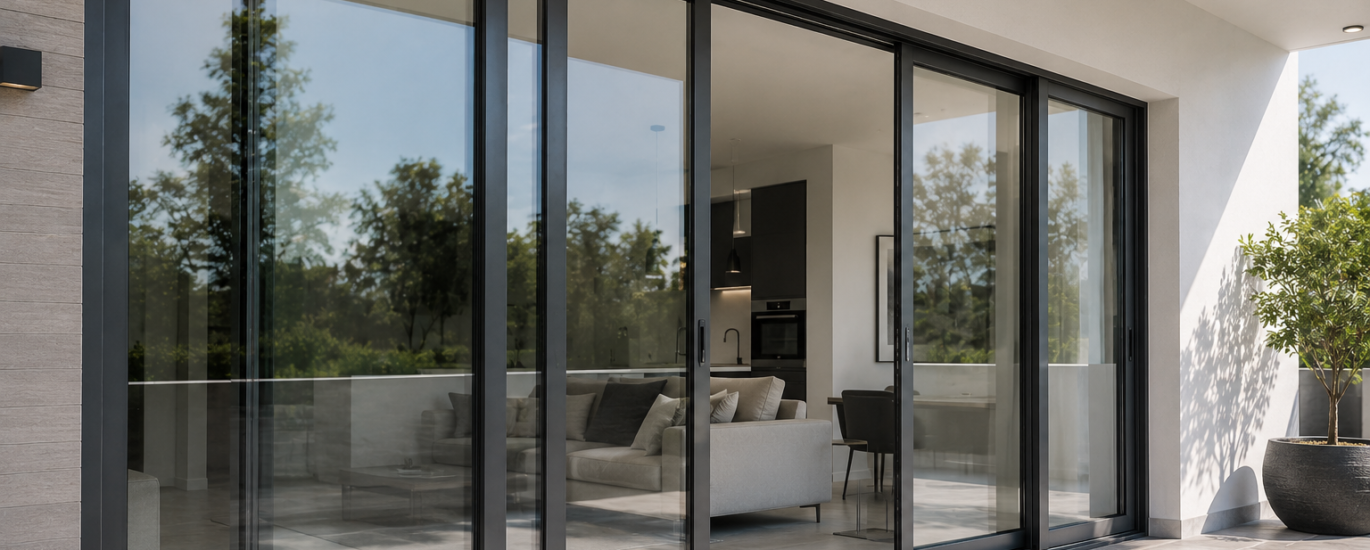
Struggling with a sliding door that sticks, lets in dust, or becomes difficult to operate in Dubai’s heat? The problem may not be the aluminium system itself—it could be poor measurement, installation, rollers, or sealing. Choosing the right windows and doors can make a noticeable difference to how a property looks, feels, and functions. In Dubai, aluminium sliding systems are widely used in villas, apartments, offices, balconies, terraces, and commercial buildings because they offer a clean appearance while making good use of available space.
Aluminium Sliding Windows and Doors in Dubai are especially useful where large glass areas, natural light, and easy access are important. However, buying a good-quality system is only part of the job. Proper installation is equally important. Even a well-made aluminium frame can develop problems if it is poorly measured, incorrectly aligned, or not properly sealed.
This guide explains how aluminium sliding windows and doors are installed, what materials are involved, which glass options are available, common installation problems, maintenance requirements, and the factors that can affect installation costs in Dubai.
What Are Aluminium Sliding Windows and Doors in Dubai?
Aluminium sliding windows and doors consist of aluminium frames, glass panels, tracks, rollers, handles, locks, and sealing components. Instead of opening outward or inward like conventional doors and windows, the panels move horizontally along a track.
Aluminium Sliding Windows in Dubai are commonly used for rooms where ventilation and natural light are needed without taking up additional interior space. Sliding doors are often installed for balconies, patios, terraces, entrances, and areas that connect indoor spaces with outdoor areas.
The main advantage of the sliding design is its practical use of space. Since the panels move sideways, furniture or other objects do not need to be moved out of the opening area when the window or door is opened.
Why Proper Installation Matters in Dubai
Dubai’s climate makes installation quality particularly important. High temperatures, strong sunlight, dust, and occasional heavy rain can put pressure on windows and doors over time.
A properly installed system should sit firmly within the opening and operate smoothly. The frame needs to be level, the tracks need to be correctly positioned, and the edges need to be sealed properly.
Poor installation can result in:
- Water entering around the frame
- Unwanted air movement
- Difficult or noisy sliding
- Loose panels
- Damaged rollers
- Gaps around the frame
- Premature wear of seals and hardware
Correct installation can also help the system perform better over the long term and reduce the need for frequent repairs.
Types of Aluminium Sliding Systems
Not every property requires the same type of sliding system. The size of the opening, the amount of ventilation required, the design of the property, and the intended use all influence the right choice.
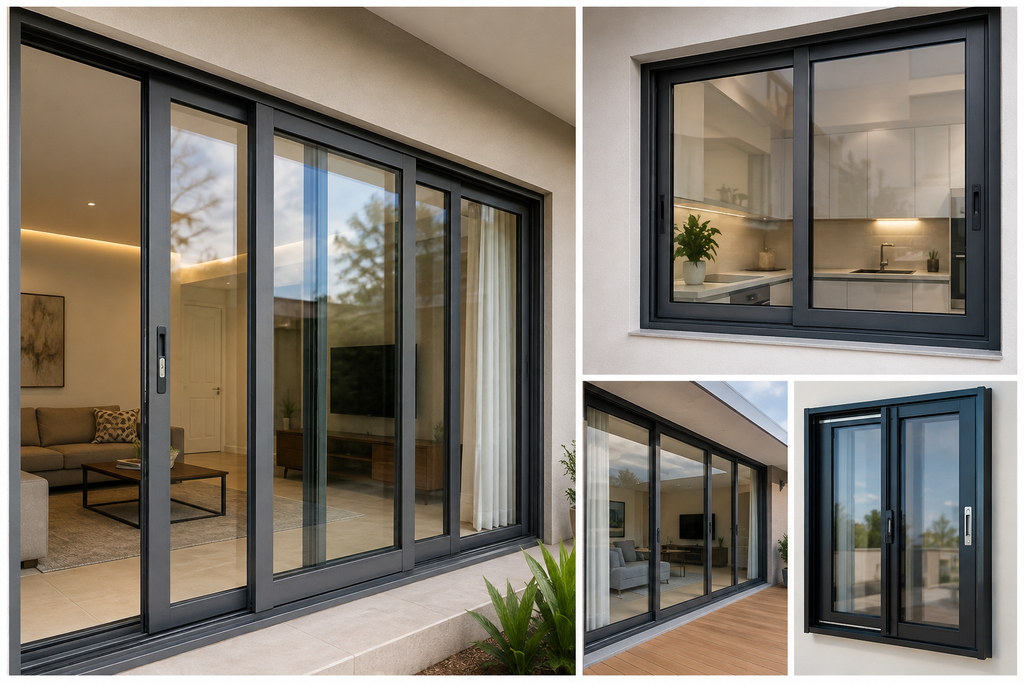
Two Panel Sliding Systems
A two-panel system usually consists of one fixed panel and one sliding panel. It is a practical option for smaller openings and is commonly used in homes and apartments.
Three Panel Sliding Systems
Three-panel systems provide a wider opening and can be useful for larger balconies, living areas, and commercial spaces. Depending on the design, one or more panels may slide along the track.
Multi-Panel Sliding Doors
Multi-panel systems are suitable for larger openings where a wider connection between indoor and outdoor areas is required. They are often considered for villas, modern homes, restaurants, offices, and larger commercial properties.
Aluminium Sliding Windows
Sliding windows are useful in bedrooms, kitchens, offices, and other areas where ventilation is required without using a hinged opening.
Large Glass Sliding Systems
Large glass systems can create a more open appearance and allow greater amounts of natural light into a property. Because of their size and weight, accurate measurements and suitable hardware are particularly important.
Materials and Components Used for Installation
A sliding system is made up of several components, and each one contributes to its overall performance.
Aluminium Frames
The frame supports the glass and provides the main structure of the window or door. The profile should be selected according to the size and intended use of the system.
Glass Panels
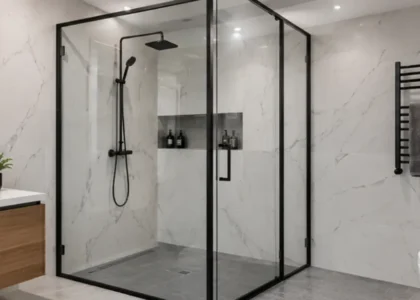
Glass is available in different specifications depending on safety, privacy, appearance, and performance requirements.
Rollers and Tracks
Rollers allow the sliding panels to move along the tracks. Poor-quality or incorrectly fitted rollers can make a door difficult to operate.
Handles and Locks
Handles provide convenient operation, while suitable locking systems help improve security.
Seals and Weatherstripping
Seals help reduce gaps around the panels and frame. They are important for limiting dust, air, and water entry.
Fasteners and Installation Accessories
Screws, brackets, fixing materials, spacers, and other accessories help secure the frame and ensure that the installation remains stable.
Step by Step Aluminium Sliding Windows and Doors Installation Process
The installation process should begin with careful planning rather than immediately fitting the frame. Measurements, opening conditions, materials, and hardware all need to be checked first.
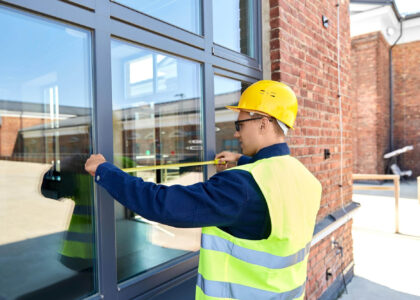
1. Site Measurement and Inspection
The opening is measured carefully to determine the required size of the aluminium frame and glass panels.
The installer should also check whether the opening is level and suitable for the new system. Any existing damage, uneven surfaces, or structural issues should be identified before installation begins.
2. Preparing the Opening
The opening needs to be clean and ready for the frame. Old materials, loose sections, dust, or damaged areas may need to be removed or repaired.
Good preparation helps the new frame sit correctly and reduces the chance of alignment problems later.
3. Installing the Aluminium Frame
The aluminium frame is positioned inside the prepared opening and secured using appropriate fixing methods.
At this stage, accuracy is important. The frame should be properly aligned rather than simply fitted into the opening.
4. Fitting the Sliding Tracks
The tracks are installed so the panels can move smoothly. They need to remain level and free from debris.
Even a small alignment issue can affect how easily a sliding panel moves.
5. Installing Glass Panels
Once the frame and tracks are ready, the glass panels can be fitted carefully.
The glass should be supported correctly within the frame, with suitable spacing and fixing methods used to prevent unnecessary movement.
6. Installing Rollers and Hardware
Rollers, handles, locks, and other hardware are installed and adjusted.
The rollers should allow the panel to move without excessive force. If the panel feels heavy or catches while moving, adjustment may be required before the installation is considered complete.
7. Sealing and Weatherproofing
The gaps around the frame are sealed to help prevent water and air from entering the property.
Proper sealing is particularly important in Dubai because dust, heat, and rain can affect poorly sealed openings.
8. Alignment and Final Testing
The installer should open and close each panel several times to check its movement.
Locks, handles, rollers, tracks, seals, and frame alignment should also be inspected. Any problems should be corrected before the job is finished.
Glass Options for Aluminium Sliding Systems
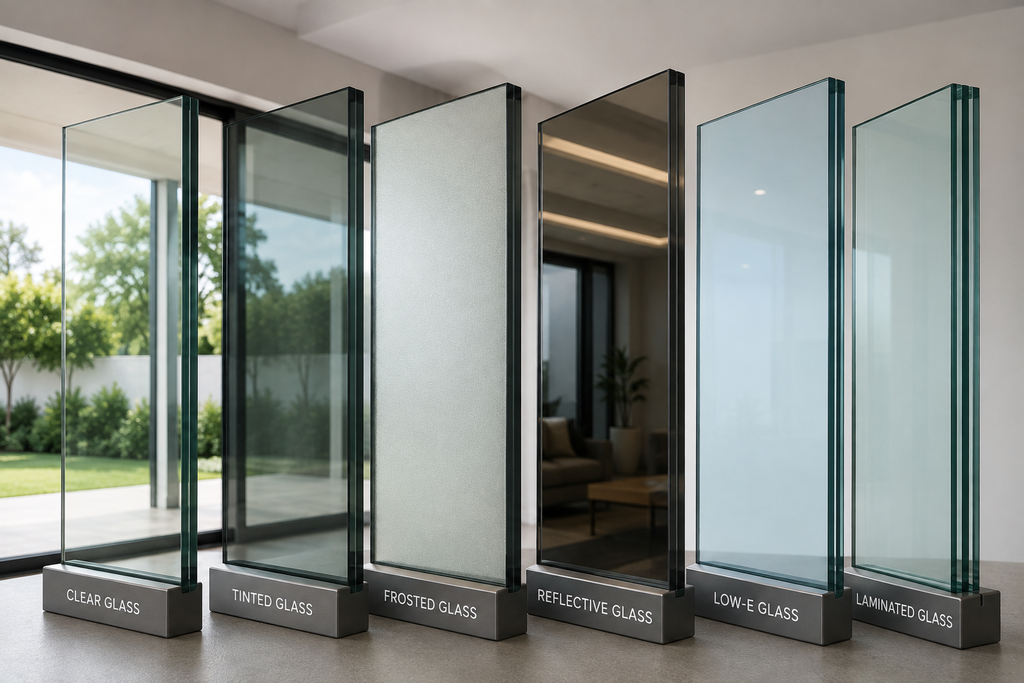
The glass used in a sliding system should be selected according to the property’s requirements rather than appearance alone.
Clear glass is a common choice when maximum visibility and natural light are priorities.
Tempered glass is treated to provide improved safety and strength compared with ordinary glass.
Laminated glass consists of multiple layers joined together and can be considered where additional safety and security are required.
Double glazing uses two glass panes with a sealed space between them and can help improve insulation.
Tinted glass can reduce glare and provide a different visual appearance while offering some control over sunlight.
Low-E glass has a special coating designed to improve thermal performance by reducing heat transfer.
The most suitable option depends on the location of the window or door, the size of the opening, the property’s design, and the owner’s requirements.
Factors to Consider Before Installation
Before choosing Aluminium Sliding Doors in Dubai, consider more than just the frame colour or overall appearance.
Window or Door Dimensions
Larger openings require suitable profiles, glass specifications, and hardware. Accurate measurements are essential.
Aluminium Profile Quality
The profile should be appropriate for the size and application of the system. A suitable profile can contribute to better stability and long-term performance.
Glass Specification
Consider safety, privacy, sunlight, insulation, and appearance when choosing glass.
Track and Roller Quality
Sliding performance depends heavily on the condition and quality of the tracks and rollers.
Security Requirements
Homes and commercial properties may have different security needs. Locks and other hardware should be selected accordingly.
Property Design
The system should complement the building’s existing architecture and interior design.
Budget
The lowest initial price is not always the best option. Material quality, glass specification, hardware, installation work, and expected lifespan should all be considered.
Common Installation Problems
Some problems become noticeable soon after installation, while others may develop later.
Misaligned Frames
A frame that is not properly aligned can affect the movement of the panels and may create gaps.
Difficult Sliding
If a panel requires excessive force, the issue may be related to rollers, tracks, alignment, or the weight of the glass.
Uneven Tracks
An uneven track can cause the panel to move poorly and place unnecessary pressure on the rollers.
Air Leakage
Gaps around the frame or damaged seals can allow unwanted air movement.
Water Leakage
Poor sealing or incorrect installation around the opening can allow rainwater to enter.
Loose Hardware
Handles, locks, and other fittings can become loose if they are not installed or maintained correctly.
Poor Sealing
Insufficient or damaged sealing can allow dust, air, and moisture to enter around the system.
Aluminium Sliding Windows and Doors Maintenance After Installation
Good maintenance does not need to be complicated. Regular basic checks can help identify small problems before they become expensive repairs.
Clean the tracks regularly to remove dust, sand, and other debris. This is particularly useful in Dubai, where dust can collect around sliding systems.
Check the rollers if the panels begin to feel heavier than usual. Avoid forcing a door or window that is difficult to move because continued use can damage the hardware.
Clean aluminium frames and glass with suitable cleaning products and inspect the seals periodically. Handles and locks should also be checked to make sure they remain secure.
For Aluminium Sliding Windows and Doors Maintenance in Dubai, regular inspection is especially useful for properties that experience frequent use or significant exposure to dust and sunlight.
Professional vs DIY Installation
Installing a sliding window or door may appear straightforward, but accurate measurements and proper alignment are important.
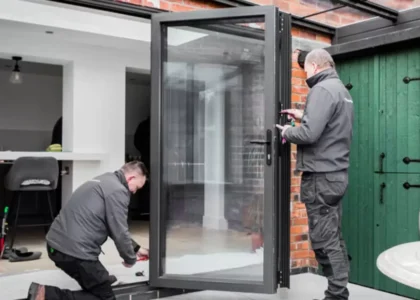
A professional installer has the tools and experience needed to measure the opening, position the frame, install the hardware, adjust the rollers, and seal the system correctly.
DIY installation may seem like a way to reduce costs, but mistakes can lead to poor operation, water leakage, damaged glass, or premature hardware failure.
For larger systems, custom-made units, or difficult openings, professional installation is generally the safer and more practical choice.
Aluminium Sliding Windows and Doors Installation Cost in Dubai
The cost of Aluminium Sliding Windows and Doors Installation in Dubai varies from one project to another. There is no single price that applies to every property.
Several factors can affect the final cost, including:
- Size and number of panels
- Aluminium profile
- Glass type and thickness
- Rollers and hardware
- Frame finish
- Custom designs
- Opening condition
- Installation complexity
- Number of windows or doors
For this reason, it is better to request a project-specific quotation after measurements and material requirements have been assessed.
How Long Does Installation Take?
Installation time depends on the size and number of windows or doors, the condition of the existing openings, and whether the systems are standard or custom-made.
A small installation may be completed relatively quickly, while larger projects involving several rooms, oversized glass panels, or custom configurations can take longer.
Property preparation can also affect the schedule. If old windows or doors need to be removed or the openings require repair, additional work may be necessary before the new system can be installed.
When Should Aluminium Sliding Windows and Doors Be Repaired or Replaced?
Not every problem requires complete replacement.
If the issue is limited to worn rollers, damaged seals, loose handles, or minor hardware problems, repair may be sufficient.
However, replacement may make more sense when the frame is badly damaged, glass panels are extensively damaged, the system repeatedly develops problems, or the overall design and performance no longer meet the property’s needs.
A professional inspection can help determine whether repairing individual components or replacing the complete system is the more practical option.
Conclusion
Installing aluminium sliding windows and doors involves more than placing an aluminium frame into an opening. Accurate measurements, suitable glass, reliable hardware, correct alignment, and proper sealing all contribute to the final performance of the system.
For Dubai properties, installation quality is particularly important because windows and doors are exposed to heat, sunlight, dust, and changing weather conditions.
Whether you are installing sliding windows in an apartment or large sliding doors in a villa or commercial property, Dahab Al Madeena Glass & Aluminium Installation & Maintenance LLC can provide suitable solutions with a focus on proper installation, durability, smooth operation, and a clean modern appearance.
Frequently Asked Questions
What Makes a Good Aluminium Sliding System in Dubai?
A quality system should have:
1. Correctly measured aluminium profiles
2. Suitable glass thickness and safety specification
3. Smooth-running rollers
4. Properly levelled tracks
5. Reliable locks and handles
6. Effective weather sealing
7. Professional installation
8. Regular track and roller maintenance
How can aluminium sliding windows and doors be maintained after installation?
Clean the tracks regularly, remove dust and debris, inspect rollers and seals, check handles and locks, and address sliding problems early. Regular maintenance can help prevent more serious issues.
Can aluminium sliding windows be installed in existing openings?
Yes, aluminium sliding windows can often be installed in existing openings, provided the opening is suitable. The area may need to be repaired or adjusted before installation.
How much does aluminium sliding door installation cost in Dubai?
The cost depends on factors such as door dimensions, aluminium profile, glass type, hardware, customization, and installation requirements. A project-specific quotation provides a more accurate estimate.
What type of glass is best for aluminium sliding doors?
There is no single best option for every property. Tempered, laminated, double-glazed, tinted, and Low-E glass can each suit different requirements. The choice should consider safety, heat, sunlight, privacy, and energy performance.